Looking at my colleagues working together
A few years ago, there was a young boy who worked part-time at the restaurant I managed.
I often noticed that he would rush to the restroom in the middle of his meal, every single time.
He was thin, pale, and seemed constantly tired.
One day, I gently asked, “If food leaves your body so quickly, how can your body get the nutrition it needs?”
He smiled awkwardly and said he didn’t really know — that it had always been like that.
Curious and concerned, I searched online that night, trying to understand what could cause such a thing.
That’s when I first learned about Crohn’s disease — and this article began with that discovery.
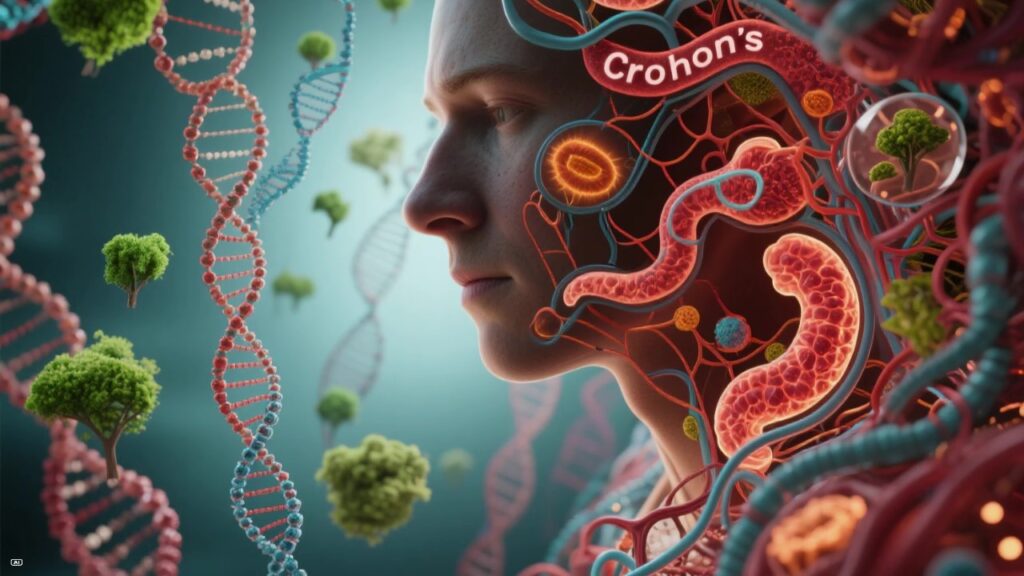
Diseases that can be inherited
The Crohn’s disease we are learning about is also genetic.
This week’s question focuses on understanding this chronic condition — how it begins, how it affects the body, and how we can live with it.
Crohn’s disease is an inflammatory bowel disease, meaning it causes chronic inflammation in the digestive tract. It can lead to various symptoms such as abdominal pain, diarrhea, fatigue, and weight loss.
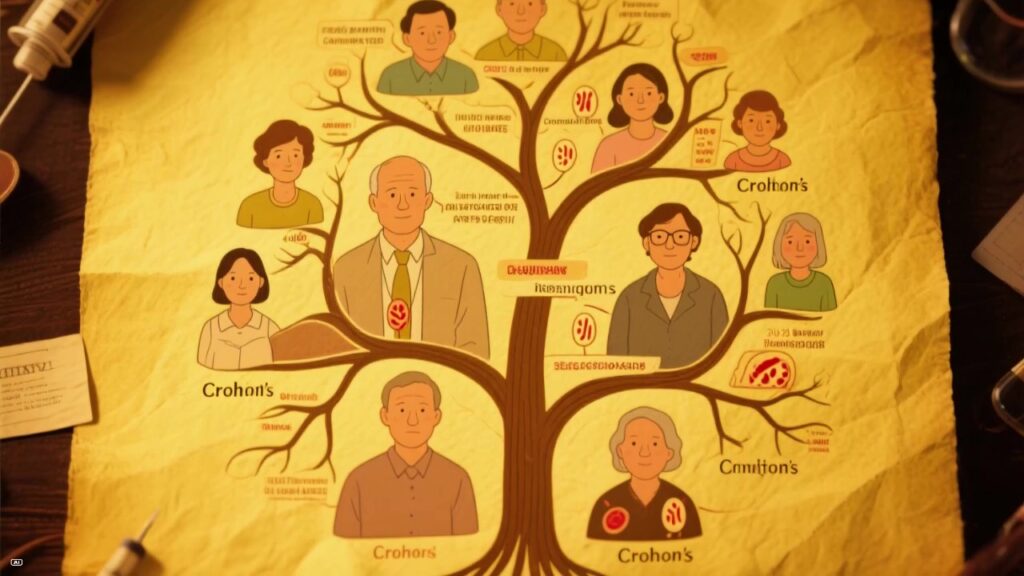
While the exact cause isn’t known, we now understand that both genetics and environment play important roles.
If you have a family history of Crohn’s disease, your risk may be higher — but it’s not guaranteed.
Environmental factors, like smoking, certain bacterial infections, or even stress, can trigger or worsen inflammation.
It’s a reminder that our bodies are deeply connected to the world we live in.
The encouraging news is that modern medicine offers treatments that can help manage symptoms and prevent complications.
Doctors often combine medication, diet changes, and lifestyle adjustments to help patients maintain long-term wellness.
Still, your daily habits matter more than you might think.
Maintaining a balanced diet, regular exercise, stress management, and avoiding tobacco can all lower the risk of flare-ups and help you feel stronger every day.
If symptoms do appear — don’t delay.
Early diagnosis and consistent care can make all the difference in keeping Crohn’s under control and improving quality of life.
So, if you or someone you love has a family history of Crohn’s disease, remember this:
It isn’t just about genes — it’s also about how we nurture our bodies, our environment, and our peace of mind.
Healthy habits are the strongest inheritance we can give ourselves. 💚Thanks for Reading.